Composite Technology Inc Texas: Company Overview, Services, Industries, and Innovation
Introduction
If you’re searching for Composite Technology Inc Texas, you’re likely looking for information about the company, its manufacturing capabilities, and the industries it serves. Composite Technology Inc is associated with advanced composite materials and precision manufacturing solutions that support demanding sectors such as aerospace, energy, transportation, defense, and industrial engineering. Companies in this field specialize in producing lightweight, durable, and high-performance composite components that help improve efficiency, reduce weight, and increase product lifespan. Understanding how composite technology works and why Texas has become a hub for advanced manufacturing provides valuable insight into this growing industry.
What Is Composite Technology Inc Texas?
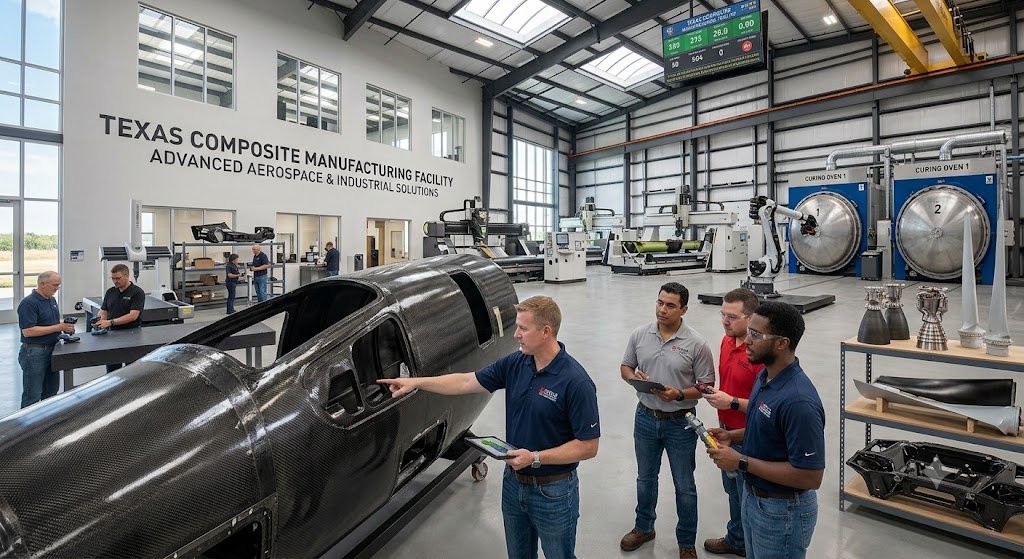
Composite Technology Inc Texas refers to a company operating within Texas’s thriving advanced manufacturing sector, focusing on composite materials and engineered solutions. Composite manufacturers combine specialized fibers with high-strength resins to create materials that outperform many traditional metals in specific applications.
Unlike conventional materials, composites offer exceptional strength while remaining lightweight, making them ideal for industries where durability and efficiency are essential.
Many manufacturers in Texas have invested heavily in advanced production equipment, quality control systems, and engineering expertise to meet the growing demand for composite products.
Why Texas Is a Leader in Composite Manufacturing
Texas has become one of the most important manufacturing centers in the United States. Several factors contribute to its strong position in composite technology.
Strategic Location
Texas provides excellent transportation infrastructure, including:
- Major interstate highways
- International airports
- Deep-water ports
- Extensive rail networks
These logistics advantages help manufacturers distribute products efficiently across North America and international markets.
Skilled Workforce
Texas is home to experienced engineers, technicians, and manufacturing specialists trained in:
- Composite fabrication
- Mechanical engineering
- Materials science
- Precision machining
- Quality assurance
The state’s universities and technical institutions continue producing professionals skilled in advanced manufacturing technologies.
Business-Friendly Environment
Texas attracts manufacturing companies due to:
- Competitive operating costs
- Strong industrial infrastructure
- Access to suppliers
- Large manufacturing workforce
- Supportive business climate
These advantages encourage continued investment in composite manufacturing facilities.
Understanding Composite Materials
Before exploring the company’s potential capabilities, it helps to understand what composite materials actually are.
A composite material combines two or more different materials to create a stronger final product.
Typically, composites include:
- Reinforcing fibers
- Polymer resin
- Protective coatings
- Structural cores when needed
Each component contributes unique properties that improve the overall performance of the finished product.
Common Types of Composite Materials
Different industries require different composite materials depending on strength, flexibility, weight, and environmental resistance.
Carbon Fiber Composites
Carbon fiber is known for:
- Extremely high strength
- Low weight
- Excellent stiffness
- Corrosion resistance
- Long service life
These characteristics make carbon fiber popular in aerospace and motorsports.
Fiberglass Composites
Fiberglass offers:
- Good strength
- Lower manufacturing costs
- Electrical insulation
- Moisture resistance
- Easy fabrication
It remains one of the most widely used composite materials worldwide.
Kevlar and Aramid Composites
These materials provide:
- High impact resistance
- Excellent toughness
- Lightweight construction
- Ballistic protection
- Vibration absorption
Defense and protective equipment manufacturers frequently rely on these advanced fibers.
if you want to know,Tech Solutions for Business That Drive Growth ,click here.
Industries Served by Composite Technology Companies
Composite Technology Inc Texas and similar manufacturers often support numerous industries where traditional materials may not provide the required performance.
Aerospace
Aircraft manufacturers use composite materials because they reduce weight without sacrificing structural strength.
Applications include:
- Aircraft panels
- Interior structures
- Engine components
- Wing assemblies
- Radomes
Reducing aircraft weight helps improve fuel efficiency and operational performance.
Energy
Composite products play an important role in energy production.
Examples include:
- Wind turbine blades
- Oil and gas equipment
- Pipeline components
- Offshore structures
- Renewable energy systems
These materials perform well under harsh environmental conditions.
Transportation
Automotive and commercial vehicle manufacturers increasingly adopt composite materials to improve efficiency.
Benefits include:
- Lower vehicle weight
- Better fuel economy
- Reduced emissions
- Improved corrosion resistance
- Enhanced durability
Electric vehicle manufacturers also rely heavily on lightweight composite components.
Defense
Military applications demand materials capable of performing under extreme conditions.
Composite technologies support:
- Armored vehicles
- Aircraft structures
- Naval equipment
- Protective systems
- Specialized communication equipment
Their strength-to-weight ratio makes them especially valuable in defense engineering.
Industrial Manufacturing
Industrial facilities use composite components in:
- Chemical processing
- Water treatment
- Heavy machinery
- Industrial tanks
- Structural supports
These materials resist corrosion better than many conventional metals.
Manufacturing Processes Used in Composite Production
Modern composite manufacturing combines engineering expertise with precision production methods.
Lay-Up Manufacturing
Layers of reinforcing fibers are carefully placed into molds before resin is added.
This method works well for:
- Large structures
- Aerospace components
- Marine products
- Custom designs
Vacuum Infusion
Vacuum pressure distributes resin evenly through reinforcement materials.
Advantages include:
- Better consistency
- Reduced air pockets
- Improved strength
- Higher-quality finishes
Compression Molding
Compression molding is commonly used for high-volume production.
Benefits include:
- Faster manufacturing
- Repeatable quality
- Lower production costs
- Excellent dimensional accuracy
CNC Finishing
After curing, many composite parts undergo CNC machining to achieve exact dimensions and smooth finishes required by customers.
Quality Standards in Composite Manufacturing
Manufacturers serving aerospace, defense, and industrial markets must maintain strict quality standards throughout production.
Quality control often includes:
- Material inspection
- Dimensional verification
- Mechanical testing
- Environmental testing
- Non-destructive evaluation
These procedures help ensure every component meets customer specifications.
Benefits of Composite Technology
Composite materials continue replacing traditional metals because they offer numerous engineering advantages.
Some of the biggest benefits include:
- High strength-to-weight ratio
- Excellent corrosion resistance
- Longer service life
- Lower maintenance costs
- Improved fatigue resistance
- Better thermal stability
- Design flexibility
- Enhanced performance
These advantages make composites suitable for applications where reliability is critical.
Challenges in Composite Manufacturing
Although composites provide many benefits, manufacturers also face several challenges.
These include:
- Higher material costs
- Complex production processes
- Skilled labor requirements
- Specialized equipment
- Longer design cycles
- Recycling considerations
Continuous research helps improve manufacturing efficiency while reducing production costs.
Innovation Driving the Composite Industry
Technology continues transforming composite manufacturing.
Today’s manufacturers increasingly use:
- Computer-aided engineering (CAE)
- Robotics
- Artificial intelligence
- Automated fiber placement
- Digital quality inspection
- Advanced simulation software
These innovations improve consistency, reduce waste, and shorten production timelines.
Sustainability and Composite Materials
Environmental responsibility has become a priority across the manufacturing sector.
Many composite manufacturers are investing in:
- Recyclable materials
- Lower-emission production methods
- Renewable energy integration
- Waste reduction programs
- Sustainable supply chains
Researchers are also developing bio-based resins and recyclable composite systems to reduce environmental impact.
Choosing a Composite Manufacturing Partner
Businesses selecting a composite manufacturer should evaluate several factors before making a decision.
Important considerations include:
- Engineering expertise
- Manufacturing capabilities
- Industry certifications
- Production capacity
- Quality assurance systems
- Delivery performance
- Technical support
- Custom design services
A reliable manufacturing partner should demonstrate experience with complex projects while maintaining consistent product quality.
Future Outlook for Composite Technology in Texas
Texas remains well positioned for continued growth in advanced manufacturing.
Several trends are expected to drive future demand:
- Expansion of aerospace manufacturing
- Growth in renewable energy
- Increased electric vehicle production
- Infrastructure modernization
- Defense investment
- Industrial automation
As these industries expand, demand for lightweight, durable composite materials is expected to increase significantly.
Manufacturers that invest in automation, sustainability, and research are likely to remain competitive in the years ahead.
Why Composite Technology Matters
Composite materials have changed the way engineers design products.
Instead of relying solely on steel or aluminum, manufacturers can create lighter, stronger, and more durable components that improve efficiency across multiple industries.
Whether supporting aircraft, wind turbines, industrial equipment, or advanced vehicles, composite technology continues driving innovation in manufacturing.
For businesses seeking long-lasting, high-performance materials, composite solutions offer significant advantages over many traditional alternatives.
FAQs
1. What is Composite Technology Inc Texas?
Composite Technology Inc Texas refers to a company involved in advanced composite manufacturing, producing engineered materials and components used across industries such as aerospace, energy, transportation, defense, and industrial manufacturing.
2. What industries use composite materials?
Composite materials are widely used in aerospace, automotive, renewable energy, marine, defense, construction, oil and gas, and industrial manufacturing because they provide excellent strength while remaining lightweight and resistant to corrosion.
3. Why are composite materials better than metal in some applications?
Composites often offer a higher strength-to-weight ratio, superior corrosion resistance, improved fatigue performance, and greater design flexibility than traditional metals, making them ideal for many modern engineering applications.
4. Why is Texas important for composite manufacturing?
Texas offers a skilled workforce, strong transportation infrastructure, advanced manufacturing facilities, and a business-friendly environment that supports growth in aerospace, energy, and industrial production.
5. What are the main advantages of composite technology?
Composite technology provides lightweight construction, excellent durability, corrosion resistance, long service life, reduced maintenance, improved fuel efficiency, and enhanced performance across a wide range of demanding applications.
Conclusion
Composite Technology Inc Texas represents the broader strength of Texas’s advanced manufacturing industry, where innovation, engineering expertise, and high-performance composite materials come together to serve critical sectors such as aerospace, energy, transportation, defense, and industrial manufacturing. As demand for lighter, stronger, and more durable materials continues to grow, composite technology will remain an essential part of modern product design and production. Whether you’re researching composite manufacturing, exploring industrial applications, or evaluating engineering solutions, understanding this evolving field is the first step toward making informed decisions and staying ahead of future industry developments.