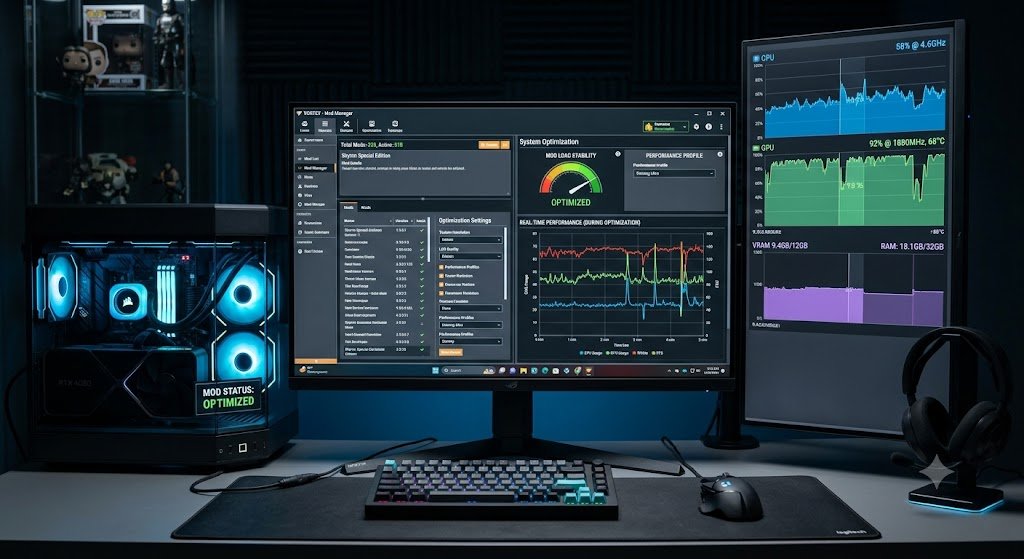
How to Improve LCFTechMods: Complete Guide to Better Performance and Stability
Introduction
If you’re searching for how to improve LCFTechMods, the goal is usually to achieve better performance, smoother gameplay, fewer crashes, and a more stable modding experience. Whether you’re using LCFTechMods for gaming enhancements or custom modifications, improving its performance involves keeping software updated, optimizing system settings, managing mods efficiently, and maintaining your computer’s overall health. This guide covers practical strategies that help improve reliability, compatibility, and user experience.
What Is LCFTechMods?
LCFTechMods generally refers to a collection of technology-related modifications, tools, or customization resources designed to enhance software or gaming experiences. Depending on the version or platform you’re using, it may include performance tweaks, graphical improvements, additional features, or compatibility enhancements.
Like many modding environments, LCFTechMods performs best when properly configured and maintained.
Understanding how the platform works makes it easier to troubleshoot problems and maximize performance.
Why Performance Matters
A poorly optimized mod setup can lead to:
- Frequent crashes
- Slow loading times
- Low frame rates
- Compatibility conflicts
- Corrupted files
- Longer startup times
Improving LCFTechMods reduces these issues while providing a smoother and more enjoyable experience.
How to Improve LCFTechMods with Regular Updates
Keeping everything updated is one of the simplest and most effective improvements.
Update:
- LCFTechMods
- Game files (if applicable)
- Operating system
- Graphics drivers
- Supporting software
- Mod dependencies
Developers regularly release updates that fix bugs, improve compatibility, and enhance performance.
Ignoring updates often leads to unnecessary problems.
LCFTechMods Gaming Update by LyncConf
The LCFTechMods gaming update by LyncConf is a valuable resource for gamers who want to stay updated with the latest developments in the gaming industry. It covers game updates, popular mods, performance improvements, and helpful gaming tips for PC, console, and mobile players. The platform often highlights new releases, bug fixes, gameplay enhancements, and community-created modifications that improve the overall gaming experience. It also provides insights into trending games, upcoming launches, and useful optimization techniques to help players achieve smoother performance. Whether you’re looking for information about new features, compatibility updates, or gaming recommendations, LyncConf’s gaming content offers practical and easy-to-understand guidance. By keeping players informed about the latest changes and innovations, the LCFTechMods gaming update by LyncConf helps gamers make better decisions about the games they play and the tools they use. It’s a convenient way to stay connected with the fast-changing world of gaming while discovering new ways to enhance gameplay and overall performance.
Verify Compatibility Before Installing Mods
One of the most common causes of instability is incompatible modifications.
Before adding new content:
- Check version compatibility.
- Read installation instructions.
- Confirm dependency requirements.
- Review community feedback.
- Avoid outdated releases.
Installing compatible mods minimizes conflicts and reduces troubleshooting later.
Organize Your Mod Collection
Large numbers of mods can slow performance if they are poorly managed.
Consider organizing them into categories such as:
- Graphics
- Gameplay
- User interface
- Audio
- Utilities
- Quality-of-life improvements
Remove duplicate or unused mods regularly.
A clean installation is easier to maintain and troubleshoot.
Optimize Your Computer for Better Performance
Even well-designed mods rely on healthy system performance.
Close Background Applications
Running unnecessary software consumes valuable system resources.
Close programs such as:
- Streaming applications
- Large downloads
- Unused browsers
- Background launchers
- Resource-intensive utilities
This frees memory and processor capacity for LCFTechMods.
Keep Storage Space Available
Low disk space affects overall performance.
Maintain adequate free storage by:
- Removing temporary files
- Uninstalling unused software
- Clearing downloads
- Using storage cleanup tools
Solid-state drives (SSDs) generally provide faster loading times than traditional hard drives.
if you want to know, Network Support Fort Lauderdale, click here.
Adjust Graphics Settings
If LCFTechMods is being used alongside games, graphical settings play an important role.
Reducing demanding settings can improve stability.
Consider lowering:
- Shadow quality
- Reflection quality
- Anti-aliasing
- Texture resolution
- Draw distance
Balance visual quality with consistent performance.
Monitor Hardware Temperatures
Overheating often causes performance issues.
High temperatures may result in:
- System throttling
- Random crashes
- Reduced frame rates
- Hardware instability
Monitor temperatures using reliable system monitoring software.
To improve cooling:
- Clean dust from fans.
- Improve case airflow.
- Replace worn thermal paste if necessary.
- Ensure ventilation openings remain unobstructed.
Update Graphics Drivers
Graphics drivers directly affect gaming and mod performance.
Manufacturers frequently release updates that include:
- Performance improvements
- Bug fixes
- Game optimizations
- Security patches
Using current drivers helps maximize compatibility with newer modifications.
Allocate System Resources Wisely
If your platform supports configurable memory allocation, ensure sufficient resources are available.
Avoid assigning excessive memory, which may reduce overall system stability.
Instead:
- Match recommended requirements.
- Monitor RAM usage.
- Test changes gradually.
- Keep system resources balanced.
Proper allocation improves reliability.
Remove Conflicting Mods
Installing multiple modifications that alter the same files often creates conflicts.
Signs of conflicts include:
- Missing textures
- Startup failures
- Error messages
- Crashes after updates
Disable recently installed mods one at a time to identify compatibility issues.
Testing incrementally simplifies troubleshooting.
Back Up Your Files Regularly
Before making significant changes, create backups.
Back up:
- Configuration files
- Saved games
- Mod folders
- Profiles
- Settings
Backups make it easy to restore previous working versions if something goes wrong.
Improve Security While Using Mods
Download files only from reputable sources.
Security best practices include:
- Scan downloads for malware.
- Avoid unofficial mirrors.
- Keep antivirus software updated.
- Verify file authenticity whenever possible.
- Read community reviews before installing.
Safe downloading protects both your data and your computer.
Use Performance Monitoring Tools
Monitoring software provides valuable insights into system performance.
Track:
- CPU usage
- GPU usage
- Memory utilization
- Disk activity
- Temperatures
Identifying bottlenecks helps prioritize upgrades and optimization efforts.
Optimize Startup Settings
Many systems automatically launch unnecessary applications during startup.
Reducing startup programs:
- Improves boot time.
- Frees memory.
- Reduces background CPU usage.
- Improves overall responsiveness.
Review startup settings periodically.
Test Changes One at a Time
Avoid making multiple adjustments simultaneously.
Instead:
- Make one change.
- Test performance.
- Record results.
- Continue only if improvements occur.
This method quickly identifies which changes provide the greatest benefit.
Hardware Upgrades That Can Improve Performance
Software optimization has limits.
If your hardware is outdated, consider upgrading:
Memory (RAM)
More memory helps manage larger mod collections and multitasking.
Many modern systems perform best with at least 16 GB of RAM for demanding applications.
Solid-State Drive
Installing software on an SSD significantly reduces loading times compared to mechanical hard drives.
Graphics Card
A newer GPU improves rendering performance, especially when using graphics-intensive modifications.
Processor
Modern processors handle multiple background tasks more efficiently, improving overall responsiveness.
Common Mistakes to Avoid
Many users accidentally reduce performance by making avoidable mistakes.
These include:
- Installing too many mods at once
- Ignoring software updates
- Downloading files from untrusted sources
- Skipping backups
- Running outdated drivers
- Overloading system memory
- Mixing incompatible versions
- Changing multiple settings simultaneously
Avoiding these mistakes improves stability.
Best Practices for Long-Term Stability
Maintaining LCFTechMods requires consistent attention.
Follow these habits:
- Update regularly.
- Keep documentation of installed mods.
- Delete unused files.
- Monitor system health.
- Test after every major update.
- Organize folders clearly.
- Keep backups current.
These practices reduce future maintenance time.
Troubleshooting Common Problems
If performance issues continue, work through a structured troubleshooting process.
Start by checking:
- Software updates
- Driver versions
- Mod compatibility
- Hardware temperatures
- Available storage
- Memory usage
If problems remain unresolved, temporarily disable all mods and re-enable them individually until the issue is identified.
Benefits of an Optimized LCFTechMods Setup
Taking time to optimize your environment offers several long-term advantages.
Benefits include:
- Faster loading times
- Better stability
- Improved responsiveness
- Fewer crashes
- Higher compatibility
- Easier updates
- Better gaming experience
- Reduced troubleshooting
Consistent maintenance helps preserve these improvements over time.
FAQs
1. What is the best way to improve LCFTechMods?
The most effective approach is to keep LCFTechMods updated, verify compatibility before installing new mods, organize your files, update graphics drivers, and regularly maintain your computer for optimal performance.
2. Why does LCFTechMods crash after installing new mods?
Crashes often result from incompatible modifications, outdated software, missing dependencies, or conflicting files. Remove recently installed mods and test each one individually to identify the cause.
3. Does more RAM improve LCFTechMods performance?
Yes. Additional RAM can improve multitasking, reduce loading times, and provide a smoother experience when using larger mod collections, especially on modern systems.
4. Should I install every available update?
Generally, yes. Updates often include security improvements, bug fixes, compatibility enhancements, and performance optimizations. However, review release notes to ensure compatibility with your existing mods before updating.
5. How can I prevent future performance problems?
Maintain regular backups, keep software updated, install mods only from trusted sources, monitor hardware health, and make configuration changes gradually while testing after each adjustment.
Conclusion
Learning how to improve LCFTechMods is largely about combining smart software management with good system maintenance. Keeping your platform updated, organizing mods, verifying compatibility, monitoring hardware performance, and following safe installation practices can dramatically improve stability and responsiveness. Whether you’re a beginner or an experienced modding enthusiast, consistent optimization will help you enjoy smoother performance, fewer technical issues, and a more reliable experience. Continue reviewing your setup regularly, apply updates carefully, and follow best practices to get the most from LCFTechMods over the long term.




One thought on “How to Improve LCFTechMods | Performance Guide”