Are Hair Transplants Worth It? Benefits, Costs, Risks, and Results Explained
Introduction
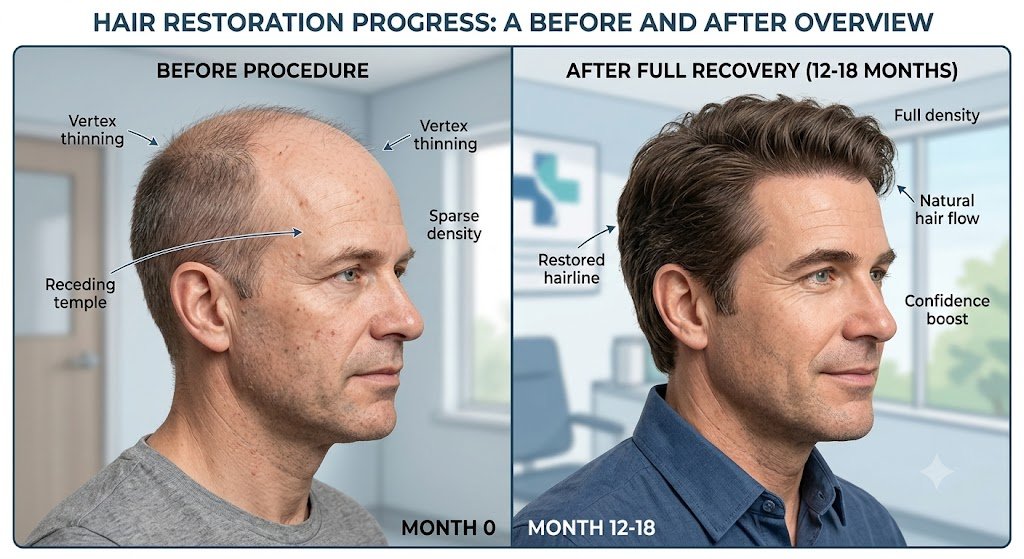
If you’re wondering, are hair transplants worth it, the short answer is that they can be an excellent investment for the right candidate. Modern hair transplant techniques provide natural-looking, long-lasting results that can improve both appearance and self-confidence. However, the value of the procedure depends on factors such as the cause of hair loss, your expectations, overall health, the surgeon’s expertise, and your budget. This guide explains the benefits, drawbacks, costs, recovery process, and everything you should know before deciding on a hair transplant.
Are Hair Transplants Worth It?
For many people experiencing permanent hair loss, a hair transplant offers one of the most effective long-term solutions available. Unlike temporary treatments, a transplant moves healthy hair follicles from one part of the scalp to thinning or bald areas.
When performed by an experienced surgeon, the transplanted hair typically grows naturally and can last for many years.
Hair transplants are often considered worthwhile because they provide:
- Permanent hair restoration
- Natural-looking results
- Increased confidence
- Low ongoing maintenance
- Improved hair density
However, they are not suitable for everyone, making professional consultation essential.
How Hair Transplants Work
A hair transplant involves relocating healthy hair follicles from the donor area—usually the back or sides of the scalp—to areas affected by hair loss.
Once transplanted, these follicles continue producing hair in their new location.
The two most common techniques are:
Follicular Unit Extraction (FUE)
FUE involves removing individual hair follicles before implanting them into thinning areas.
Benefits include:
- Minimal scarring
- Faster recovery
- Less discomfort
- Natural appearance
FUE has become one of the most popular options due to its precision and shorter healing time.
Follicular Unit Transplantation (FUT)
FUT involves removing a strip of scalp from the donor area, which is then divided into individual grafts.
Advantages include:
- Large number of grafts in one session
- Often lower cost
- Effective for extensive hair loss
The main drawback is a linear scar that remains hidden beneath surrounding hair.
Who Is a Good Candidate?
Hair transplants work best for people with permanent hair loss and sufficient healthy donor hair.
Ideal candidates often include:
- Men with male pattern baldness
- Women with localized hair thinning
- Individuals with stable hair loss
- People with realistic expectations
- Healthy adults without major scalp conditions
A consultation with a qualified hair restoration specialist is the best way to determine eligibility.
Benefits of Hair Transplants
Modern procedures offer several significant advantages.
Permanent Results
Unlike topical treatments that require continuous use, transplanted hair follicles are generally resistant to the hormone responsible for male pattern baldness.
This means results can last for decades.
Natural Appearance
Advanced techniques allow surgeons to recreate natural hairlines and growth patterns.
When performed correctly, most people cannot distinguish transplanted hair from natural hair.
Improved Confidence
Hair loss can affect self-esteem for some individuals.
Many patients report increased confidence in social situations, professional settings, and everyday life after seeing their results.
Low Maintenance
After the transplanted hair has fully grown, it can be:
- Washed
- Styled
- Cut
- Colored
just like natural hair.
Potential Drawbacks
Although hair transplants offer many benefits, they also have limitations.
Possible disadvantages include:
- High upfront cost
- Recovery period
- Temporary swelling
- Redness
- Scabbing
- Need for multiple sessions in some cases
Understanding both the benefits and risks helps set realistic expectations.
How Much Do Hair Transplants Cost?
One of the biggest questions patients ask concerns pricing.
Costs vary depending on:
- Country
- Clinic reputation
- Surgeon experience
- Number of grafts
- Technique used
General price ranges include:
| Region | Typical Cost |
|---|---|
| United States | $4,000–$15,000 |
| United Kingdom | £3,000–£10,000 |
| Turkey | $2,000–$5,000 |
| Europe | €3,000–€8,000 |
Most cosmetic hair restoration procedures are not covered by health insurance.
Recovery Timeline
Recovery is usually straightforward when patients follow post-operative instructions.
A typical timeline includes:
First Week
- Mild swelling
- Small scabs
- Tender scalp
Weeks Two to Four
- Transplanted hairs often shed.
- Healing continues.
Months Three to Six
- New hair begins growing.
Months Nine to Twelve
- Significant improvement becomes visible.
Twelve to Eighteen Months
- Final results are usually achieved.
Patience is essential, as hair growth takes time.
Are Results Permanent?
In most cases, yes.
The transplanted follicles are usually taken from areas genetically resistant to hair loss.
However, existing non-transplanted hair may continue thinning with age.
For this reason, some surgeons recommend combining transplantation with medical treatments such as:
- Minoxidil
- Finasteride (when appropriate)
- Low-level laser therapy
These options may help preserve existing hair.
Risks and Possible Complications
Like any medical procedure, hair transplantation carries some risks.
Possible complications include:
- Infection
- Bleeding
- Temporary numbness
- Scarring
- Poor graft survival
- Uneven growth
Choosing a qualified and experienced surgeon significantly reduces these risks.
How to Choose the Right Clinic
Selecting the right clinic is one of the most important decisions you’ll make.
Look for:
- Board-certified surgeons
- Before-and-after photos
- Positive patient reviews
- Transparent pricing
- Detailed consultations
- Realistic expectations
Avoid clinics that promise instant or guaranteed results.
Factors That Affect Success
Several variables influence the final outcome.
These include:
Donor Hair Quality
Healthy donor follicles produce stronger, denser results.
Surgeon Experience
Experienced surgeons understand:
- Hairline design
- Graft placement
- Natural density
- Growth direction
Their expertise directly affects appearance.
Patient Health
Good overall health supports faster healing and better graft survival.
Smoking and certain medical conditions may affect results.
Following Aftercare Instructions
Patients who carefully follow recovery guidelines generally experience better outcomes.
Alternatives to Hair Transplants
Not everyone needs surgery.
Depending on the cause of hair loss, alternatives may include:
- Prescription medications
- Topical treatments
- Platelet-rich plasma (PRP) therapy
- Laser therapy
- Scalp micropigmentation
- Hair systems or wigs
A dermatologist can help identify the most appropriate treatment.
Are Hair Transplants Worth It for Women?
Hair transplantation can also benefit women experiencing certain forms of hair loss.
Suitable candidates often include women with:
- Localized thinning
- Hairline recession
- Scarring alopecia
- Hair loss from injury
However, women with diffuse thinning throughout the scalp may require different treatment approaches.
A thorough medical evaluation is essential before proceeding.
Emotional Benefits Beyond Appearance
Although cosmetic improvements are often the primary goal, many patients experience psychological benefits as well.
Commonly reported improvements include:
- Increased self-confidence
- Greater comfort in photographs
- Enhanced professional confidence
- Reduced anxiety about appearance
- Improved overall quality of life
While a hair transplant cannot solve every confidence issue, many people find the results personally rewarding.
Common Myths About Hair Transplants
Several misconceptions continue to circulate.
Myth: Results Look Fake
Modern techniques create highly natural results when performed by skilled surgeons.
Myth: Recovery Takes Months
Most patients return to desk-based work within several days.
Myth: Hair Transplants Hurt
The procedure is performed under local anesthesia, making discomfort relatively minimal.
Myth: Only Men Can Get Hair Transplants
Women may also benefit when they meet appropriate medical criteria.
Is a Hair Transplant the Right Investment?
Ultimately, the answer depends on your goals.
A hair transplant may be worthwhile if you:
- Have permanent hair loss
- Possess healthy donor hair
- Want long-term results
- Understand realistic expectations
- Can afford the procedure
It may be less suitable if hair loss is temporary or caused by an untreated medical condition.
Consulting an experienced hair restoration specialist is the best way to determine whether surgery is the right choice.
FAQs
1. Are hair transplants worth it in the long run?
For many suitable candidates, yes. Modern hair transplants provide natural-looking, long-lasting results that can significantly improve appearance and confidence when performed by an experienced surgeon.
2. How long do hair transplant results last?
Transplanted hair follicles are generally permanent because they come from areas resistant to pattern hair loss. However, untreated natural hair may continue thinning over time.
3. Is a hair transplant painful?
Most patients experience minimal discomfort because the procedure is performed under local anesthesia. Mild soreness and swelling are common during the first few days of recovery.
4. What is the success rate of hair transplants?
Success rates are generally high when procedures are performed by qualified surgeons. Healthy graft survival often exceeds 90%, although individual outcomes vary depending on several factors.
5. Is a hair transplant better than using medication?
A hair transplant restores lost hair permanently, while medications mainly help slow or reduce further hair loss. Many specialists recommend combining both approaches for optimal long-term results.
Conclusion
So, are hair transplants worth it? For many people experiencing permanent hair loss, the answer is yes. Modern techniques can deliver natural, long-lasting results that improve appearance and boost confidence. However, the best outcomes depend on choosing a qualified surgeon, having realistic expectations, and following proper aftercare. Before making a decision, schedule a consultation with a reputable hair restoration specialist to discuss your hair loss pattern, treatment options, and expected results. An informed choice is the first step toward achieving healthier, fuller-looking hair.

2 thoughts on “Are Hair Transplants Worth It? Complete Guide”