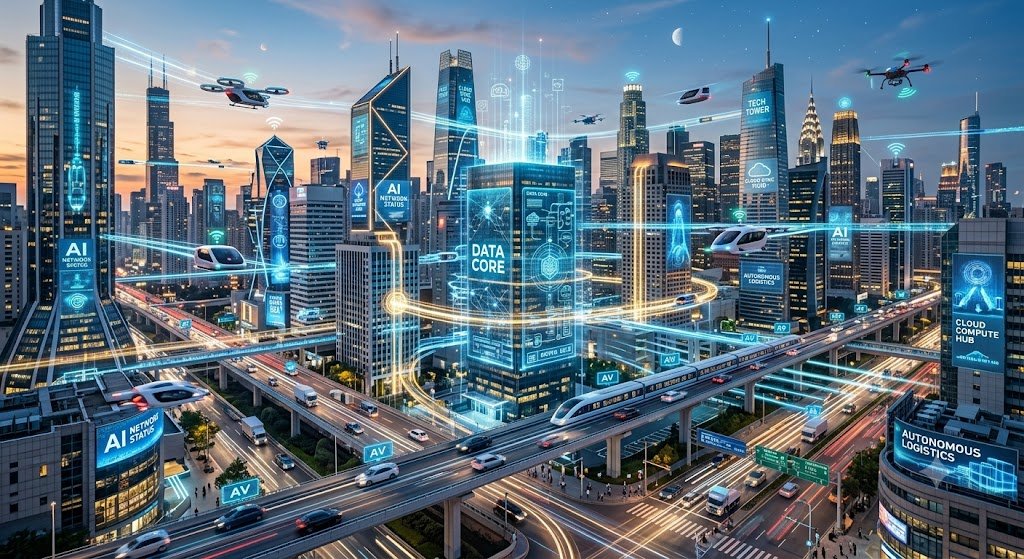
Droven io Future Technology USA: Innovation, AI, and the Future of Digital Transformation
Introduction
Droven io future technology USA represents the growing movement toward intelligent digital transformation powered by artificial intelligence, automation, cloud computing, and next-generation software solutions. Businesses across the United States are investing in smarter technologies to improve efficiency, reduce operational costs, strengthen cybersecurity, and deliver better customer experiences. Whether you’re researching emerging technology platforms, AI-powered business solutions, or future digital trends, understanding how modern innovation ecosystems work can help organizations prepare for long-term success in an increasingly technology-driven world.
Droven io Future Technology USA: Understanding the Next Generation of Digital Innovation
Technology continues to reshape every industry, from healthcare and finance to manufacturing, education, logistics, and retail. Companies that embrace innovation gain a competitive advantage by improving productivity while creating better services for customers.
Droven io future technology USA reflects this broader shift toward intelligent digital ecosystems where advanced technologies work together rather than operating independently.
These technologies often include:
- Artificial Intelligence (AI)
- Machine Learning (ML)
- Cloud Computing
- Internet of Things (IoT)
- Data Analytics
- Cybersecurity
- Process Automation
- Edge Computing
- Blockchain
- Smart Business Applications
Instead of focusing on one technology, organizations increasingly integrate multiple solutions into a connected digital infrastructure.
Why Future Technology Matters for American Businesses
The United States remains one of the world’s largest technology markets. Companies of every size are adopting digital transformation strategies to remain competitive.
Several factors are driving this trend.
Growing Customer Expectations
Modern customers expect:
- Faster services
- Personalized experiences
- Secure transactions
- 24/7 availability
- Digital convenience
Businesses that fail to meet these expectations risk losing customers to more innovative competitors.
Operational Efficiency
Automation reduces repetitive tasks while allowing employees to focus on more valuable work.
Examples include:
- Automated customer support
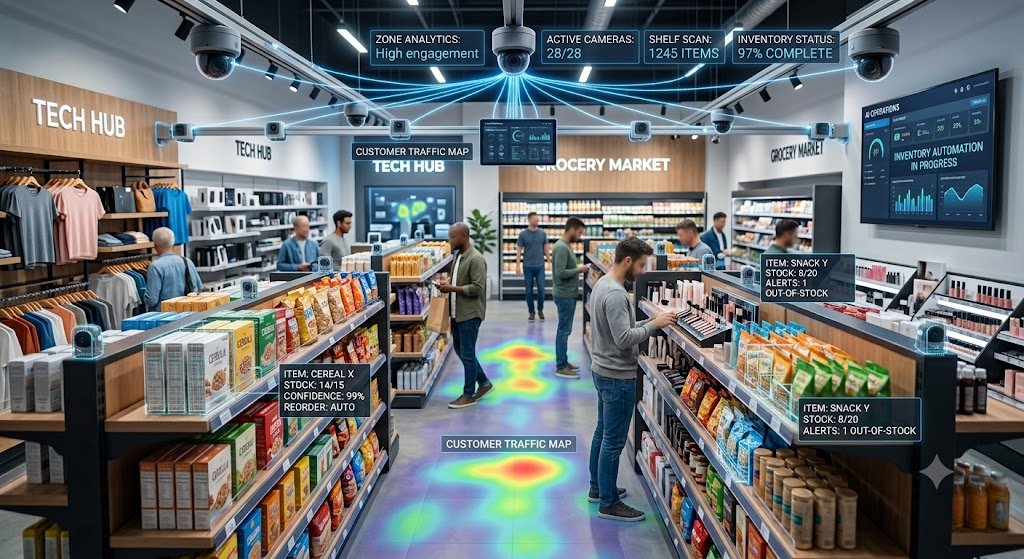
- Smart inventory management
- Intelligent scheduling
- Predictive maintenance
- AI-powered reporting
These improvements often increase productivity while lowering operational costs.
Data-Driven Decision Making
Organizations generate enormous amounts of data every day.
Advanced analytics help businesses understand:
- Customer behavior
- Sales trends
- Operational performance
- Supply chain efficiency
- Financial forecasting
Better insights often lead to better business decisions.
Core Technologies Behind Droven io Future Technology USA
Several emerging technologies work together to create modern digital ecosystems.
Artificial Intelligence
Artificial Intelligence has become one of the biggest drivers of innovation.
AI systems can:
- Analyze large datasets
- Recognize patterns
- Predict future outcomes
- Automate decisions
- Improve customer service
Many industries now rely on AI for daily operations.
Examples include:
- Medical diagnosis support
- Fraud detection
- Recommendation engines
- Chatbots
- Virtual assistants
Machine Learning
Machine Learning allows software to improve through experience rather than relying only on fixed programming.
Applications include:
- Demand forecasting
- Image recognition
- Voice recognition
- Customer segmentation
- Product recommendations
As more data becomes available, machine learning models generally become more accurate.
Cloud Computing
Cloud infrastructure has transformed how organizations manage technology.
Instead of purchasing expensive servers, businesses can access scalable computing resources through cloud platforms.
Benefits include:
- Lower infrastructure costs
- Flexible scalability
- Remote collaboration
- Improved disaster recovery
- Faster software deployment
Cloud technology supports organizations ranging from startups to multinational enterprises.
Internet of Things (IoT)
IoT connects physical devices to digital networks.
Examples include:
- Smart factories
- Connected vehicles
- Healthcare monitoring devices
- Smart homes
- Industrial sensors
Connected devices continuously collect information that helps improve operational efficiency.
if you want to know, more updated click here.
Digital Transformation Across Industries
Future technology affects nearly every sector of the American economy.
Healthcare
Healthcare organizations increasingly use AI and digital platforms to improve patient care.
Common applications include:
- Electronic medical records
- Remote patient monitoring
- AI-assisted diagnostics
- Appointment automation
- Medical imaging analysis
These technologies can improve efficiency while supporting better healthcare outcomes.
Manufacturing
Manufacturers are embracing Industry 4.0 technologies.
Innovations include:
- Robotics
- Predictive maintenance
- Digital twins
- Smart production lines
- Automated quality control
These systems help reduce downtime while improving product quality.
Financial Services
Banks and financial institutions continue investing heavily in digital technologies.
Modern financial solutions include:
- AI fraud detection
- Digital banking
- Risk analysis
- Automated compliance
- Customer analytics
Security remains a major priority as digital financial services continue expanding.
Retail
Retail businesses rely on technology to improve customer experiences.
Examples include:
- Personalized recommendations
- Inventory automation
- Smart checkout systems
- Customer loyalty analytics
- Omnichannel shopping experiences
Retailers use data to better understand purchasing behavior and optimize inventory.
Logistics
Supply chain management has become increasingly technology driven.
Digital innovations include:
- Route optimization
- Fleet tracking
- Warehouse automation
- Predictive shipping
- Real-time inventory management
These improvements reduce delivery times while improving customer satisfaction.
The Role of Automation in Future Technology
Automation continues to reshape workplaces.
Rather than replacing every human task, automation often handles repetitive activities while employees focus on creative and strategic work.
Examples include:
- Invoice processing
- Customer inquiries
- Payroll management
- Data entry
- Appointment scheduling
Organizations that automate routine tasks frequently improve productivity without sacrificing quality.
Cybersecurity in Modern Digital Systems
As technology evolves, cybersecurity becomes increasingly important.
Businesses must protect:
- Customer information
- Financial records
- Intellectual property
- Employee data
- Operational systems
Modern cybersecurity strategies include multiple layers of protection.
Zero Trust Security
Instead of assuming users are trustworthy, Zero Trust verifies every access request.
This approach reduces unauthorized access and strengthens network security.
AI-Powered Threat Detection
Artificial intelligence can identify unusual activity much faster than traditional monitoring systems.
Benefits include:
- Faster threat detection
- Reduced response time
- Continuous monitoring
- Improved accuracy
Organizations increasingly combine AI with human cybersecurity professionals.
Emerging Technology Trends Shaping the Future
Several innovations are expected to influence digital transformation over the next decade.
Generative AI
Generative AI creates:
- Written content
- Images
- Software code
- Marketing materials
- Business reports
Organizations use these tools to increase productivity while supporting creativity.
Edge Computing
Instead of processing all information in distant cloud servers, edge computing analyzes data closer to where it is generated.
Benefits include:
- Lower latency
- Faster response times
- Reduced bandwidth
- Improved reliability
Edge computing supports applications such as autonomous vehicles and industrial automation.
Blockchain Technology
Blockchain offers secure and transparent digital recordkeeping.
Potential uses include:
- Supply chain tracking
- Digital identity
- Smart contracts
- Financial transactions
- Asset verification
While not suitable for every application, blockchain continues evolving across multiple industries.
Sustainable Technology
Environmental sustainability has become a major business objective.
Technology companies increasingly focus on:
- Energy-efficient data centers
- Green cloud computing
- Smart energy management
- Carbon reduction analytics
- Sustainable manufacturing
Innovation now considers environmental impact alongside business performance.
Benefits of Investing in Future Technology
Organizations adopting advanced digital technologies often experience multiple advantages.
Improved Productivity
Automation reduces repetitive manual work.
Employees can dedicate more time to strategic initiatives and customer relationships.
Better Customer Experience
Digital tools allow businesses to deliver:
- Faster responses
- Personalized recommendations
- Improved support
- Seamless online experiences
Customer satisfaction often increases when services become more efficient.
Scalability
Modern technology platforms can expand alongside business growth.
Cloud infrastructure makes scaling easier than traditional hardware investments.
Competitive Advantage
Companies that embrace innovation typically respond more quickly to market changes.
This flexibility helps organizations remain competitive in rapidly changing industries.
Challenges Businesses Should Consider
Although future technology offers significant opportunities, organizations should also prepare for potential challenges.
Implementation Costs
Digital transformation requires investment in:
- Infrastructure
- Software
- Employee training
- Security
- Ongoing maintenance
Careful planning helps maximize long-term returns.
Workforce Skills
Employees often require new technical skills.
Businesses increasingly invest in:
- Digital training
- AI literacy
- Cybersecurity awareness
- Data analytics education
Continuous learning supports successful technology adoption.
Privacy Regulations
Organizations must comply with evolving data protection requirements.
Strong governance policies help maintain customer trust while meeting legal obligations.
How Businesses Can Prepare for the Future
Successful digital transformation rarely happens overnight.
Organizations often achieve better results by following a structured strategy.
Recommended steps include:
- Evaluate current technology systems.
- Identify business goals.
- Invest in scalable cloud infrastructure.
- Strengthen cybersecurity.
- Train employees.
- Implement automation gradually.
- Monitor performance using analytics.
- Continuously improve based on measurable results.
A phased approach reduces risk while supporting long-term growth.
The Future Outlook for Droven io Future Technology USA
As artificial intelligence, cloud computing, automation, and connected devices continue advancing, digital innovation will remain a major driver of economic growth across the United States.
Businesses that embrace emerging technologies responsibly are likely to improve efficiency, strengthen security, enhance customer experiences, and remain competitive in rapidly evolving markets.
Rather than viewing technology as a one-time investment, successful organizations increasingly treat innovation as an ongoing process of continuous improvement.
Future developments will likely emphasize intelligent automation, responsible AI, sustainable computing, stronger cybersecurity, and greater collaboration between humans and advanced digital systems.
FAQs
What is droven io future technology USA?
Droven io future technology USA refers to the broader landscape of advanced digital technologies, including artificial intelligence, cloud computing, automation, cybersecurity, and smart business solutions that support digital transformation across industries.
Why is AI important for future technology?
Artificial intelligence helps businesses automate repetitive tasks, analyze large datasets, improve decision-making, enhance customer experiences, detect cybersecurity threats, and increase overall operational efficiency.
Which industries benefit most from future technology?
Healthcare, manufacturing, finance, retail, logistics, education, and professional services all benefit from advanced technologies such as AI, automation, cloud computing, and predictive analytics.
How does cloud computing support digital transformation?
Cloud computing provides scalable infrastructure, remote access, lower hardware costs, improved collaboration, disaster recovery capabilities, and faster deployment of business applications.
How can businesses prepare for future technology?
Businesses should assess current systems, define clear goals, invest in cybersecurity, adopt scalable cloud solutions, train employees, implement automation gradually, and continuously monitor technology performance for ongoing improvement.
Conclusion
Droven io future technology USA highlights the growing importance of intelligent digital transformation in today’s business environment. Technologies such as artificial intelligence, cloud computing, automation, cybersecurity, and data analytics are reshaping industries while creating new opportunities for innovation and growth. Organizations that invest strategically in these solutions are better positioned to improve efficiency, strengthen resilience, and meet evolving customer expectations. As technology continues to advance, staying informed about emerging trends and adopting practical digital strategies will help businesses remain competitive and prepared for the future.


2 thoughts on “Droven io Future Technology USA | AI Innovation Guide”