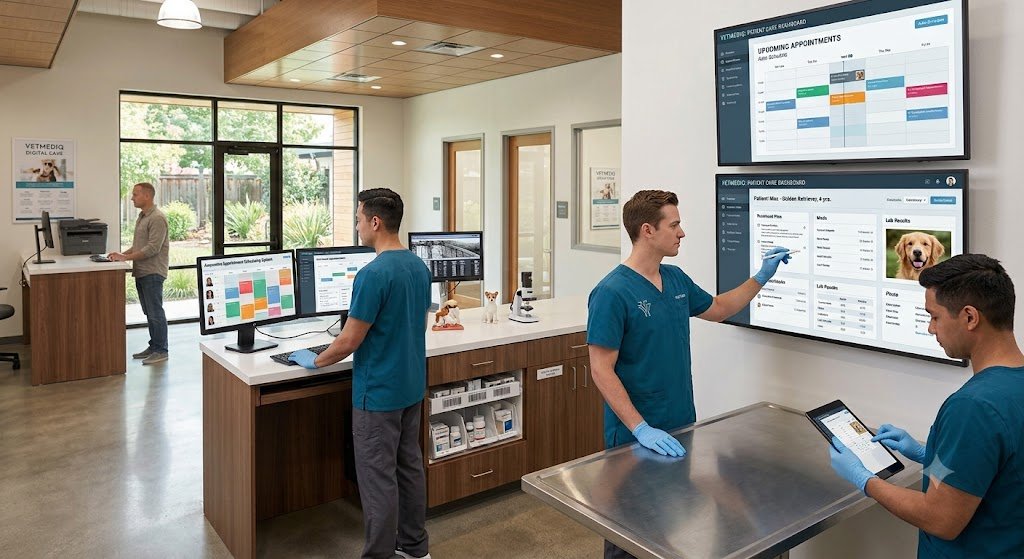
Vetcor Veterinary Network Automation Case Study: Lessons in Modern Veterinary Operations
Introduction
The Vetcor Veterinary Network Automation Case Study highlights how automation can improve efficiency, streamline administrative tasks, and enhance patient care across a network of veterinary hospitals. While every veterinary organization has unique operational needs, this case study explores common automation strategies, practical implementation steps, expected benefits, and lessons that veterinary practices can apply to improve workflows, reduce manual work, and deliver a better experience for both pet owners and clinic staff.
Vetcor Veterinary Network Automation Case Study: Lessons in Modern Veterinary Operations
Understanding Veterinary Network Automation
Veterinary network automation refers to the use of digital technologies and automated workflows to simplify routine clinical and administrative processes across one or multiple veterinary practices.
Automation can support nearly every aspect of a veterinary hospital, including:
- Appointment scheduling
- Patient registration
- Electronic medical records
- Billing and invoicing
- Inventory management
- Prescription tracking
- Laboratory integrations
- Client communication
- Staff scheduling
- Business reporting
Instead of replacing veterinary professionals, automation allows teams to spend less time on repetitive administrative tasks and more time providing quality animal care.
About the Vetcor Veterinary Network Automation Case Study
This article uses the Vetcor Veterinary Network Automation Case Study as an educational example to examine how a multi-location veterinary organization could benefit from workflow automation and digital transformation. It focuses on common industry practices and operational improvements rather than confidential or proprietary internal information.
The objective is to demonstrate how veterinary groups can:
- Improve operational efficiency
- Standardize processes
- Reduce administrative workloads
- Enhance communication
- Increase productivity
- Support long-term business growth
These lessons are applicable to independent clinics as well as larger veterinary networks.
Why Veterinary Networks Need Automation
Managing multiple veterinary hospitals introduces operational complexity.
Each location may have:
- Different staff members
- Various appointment volumes
- Separate inventories
- Multiple suppliers
- Diverse reporting needs
- Independent scheduling requirements
Without standardized digital workflows, inefficiencies can quickly develop.
Automation helps create consistency while reducing human error across locations.
Common Challenges Before Automation
Many veterinary organizations experience similar operational issues before implementing automation.
Manual Administrative Processes
Reception teams often spend significant time handling:
- Phone bookings
- Paper forms
- Appointment confirmations
- Medical record updates
- Billing corrections
These repetitive tasks reduce the time available for client support.
Inconsistent Data Management
When information is stored across disconnected systems, staff may struggle to access accurate patient records.
Common issues include:
- Duplicate records
- Missing information
- Delayed updates
- Reporting inaccuracies
Automation improves data consistency throughout the organization.
Inventory Management Difficulties
Managing medications, vaccines, and medical supplies across several clinics can become challenging.
Without automated inventory tracking, practices may experience:
- Overstocking
- Stock shortages
- Expired medications
- Ordering delays
Integrated inventory systems provide better visibility and purchasing control.
Key Automation Solutions
Several technologies contribute to successful veterinary network automation.
Practice Management Software
Modern veterinary practice management systems centralize daily operations.
Core features typically include:
- Digital patient records
- Appointment calendars
- Billing
- Treatment histories
- Diagnostic results
- Client communications
Centralized systems simplify information sharing between locations.
Online Appointment Scheduling
Online booking reduces administrative workload by allowing pet owners to schedule appointments without calling the clinic.
Benefits include:
- 24/7 scheduling
- Fewer missed appointments
- Automated confirmations
- Calendar synchronization
Clients appreciate the added convenience.
Automated Client Communication
Communication tools automatically send:
- Appointment reminders
- Vaccination notifications
- Medication refill reminders
- Wellness check reminders
- Follow-up instructions
Timely communication improves client engagement and supports better patient outcomes.
Electronic Medical Records
Electronic records improve accessibility while reducing paperwork.
Veterinarians can quickly review:
- Medical histories
- Diagnostic reports
- Laboratory results
- Imaging records
- Treatment plans
Digital documentation also supports collaboration between clinics.
Potential Implementation Process
Large veterinary organizations generally introduce automation through structured phases.
Phase 1: Process Assessment
Leadership reviews current workflows to identify:
- Manual bottlenecks
- Duplicate tasks
- Technology gaps
- Reporting challenges
This evaluation helps prioritize automation opportunities.
Phase 2: Software Selection
Decision-makers compare platforms based on:
- Scalability
- Integration capabilities
- Security
- User experience
- Vendor support
- Industry compatibility
Selecting software that fits long-term operational goals is critical.
Phase 3: Staff Training
Technology adoption depends heavily on employee confidence.
Training may include:
- Hands-on workshops
- Online tutorials
- Role-specific instruction
- Ongoing technical support
Well-trained teams adapt more quickly to new workflows.
Phase 4: Gradual Deployment
Instead of implementing changes across every location simultaneously, organizations often begin with pilot clinics.
Benefits include:
- Easier troubleshooting
- Reduced operational disruption
- Better user feedback
- Incremental improvements
Successful pilot programs can then expand throughout the network.
Operational Improvements
Automation can improve many aspects of veterinary practice management.
Faster Appointment Management
Automated scheduling minimizes booking conflicts while reducing manual calendar management.
Staff members spend less time answering routine scheduling calls.
Improved Documentation
Digital records reduce paperwork while making patient information easier to retrieve.
Veterinarians can access complete medical histories within seconds.
Better Financial Accuracy
Automated billing systems help reduce:
- Data entry mistakes
- Missed charges
- Duplicate invoices
- Payment delays
Financial reporting also becomes more accurate.
Enhanced Inventory Control
Inventory automation provides real-time tracking of:
- Medications
- Vaccines
- Medical equipment
- Surgical supplies
- Prescription products
Automatic reorder alerts help prevent stock shortages.
Benefits for Veterinary Staff
Automation improves the employee experience by reducing repetitive work.
Staff members often benefit from:
- Less paperwork
- Faster workflows
- Better collaboration
- Easier scheduling
- Reduced administrative stress
- More time for patient care
Improved workplace efficiency may also support employee satisfaction and retention.
Benefits for Pet Owners
Automation creates a smoother client experience.
Pet owners may enjoy:
- Easier appointment booking
- Digital reminders
- Faster check-in
- Better communication
- Electronic records
- Simplified payments
Convenient services strengthen trust and improve customer loyalty.
Data Security Considerations
Veterinary organizations handle sensitive client information that requires strong protection.
Important security measures include:
- Encrypted databases
- Multi-factor authentication
- Secure cloud backups
- User access controls
- Audit logs
- Regular software updates
Cybersecurity should remain a priority throughout any digital transformation initiative.
Measuring Automation Success
Organizations should establish measurable performance indicators before implementing automation.
Useful metrics include:
- Appointment completion rates
- Average client wait time
- Administrative hours saved
- Inventory accuracy
- Revenue per clinic
- Client satisfaction
- Staff productivity
- Patient retention
Tracking these indicators helps determine whether automation is achieving its intended goals.
Common Implementation Challenges
Even well-planned automation projects encounter obstacles.
Examples include:
- Employee resistance
- Data migration issues
- Integration complexity
- Temporary workflow disruptions
- Training requirements
- Software customization
Strong project management and clear communication help overcome these challenges.
Best Practices Learned from the Vetcor Veterinary Network Automation Case Study
Organizations considering automation can apply several proven strategies.
Start with Clear Objectives
Identify measurable goals before selecting technology.
Examples include reducing paperwork, improving scheduling efficiency, or increasing client satisfaction.
Standardize Workflows
Consistent procedures across all locations improve reporting, training, and operational performance.
Prioritize Staff Training
Technology delivers better results when employees understand how to use it effectively.
Provide ongoing education rather than one-time instruction.
Monitor Performance Continuously
Automation should evolve over time.
Regular performance reviews help identify additional opportunities for improvement.
Focus on Client Experience
Operational efficiency should ultimately improve the experience for pet owners.
Simpler communication and faster service strengthen long-term relationships.
if you want to know, Droven io Future Technology USA, click here.
Future Trends in Veterinary Automation
Technology continues to transform veterinary medicine.
Emerging innovations include:
- Artificial intelligence for administrative support
- Predictive inventory management
- Automated diagnostic assistance
- Voice-enabled clinical documentation
- Telemedicine integration
- Advanced analytics dashboards
- Mobile client applications
These technologies may further improve operational efficiency while supporting high-quality patient care.
Key Takeaways
The educational insights from the Vetcor Veterinary Network Automation Case Study demonstrate that successful automation depends on thoughtful planning rather than technology alone.
Organizations that combine:
- Standardized workflows
- Reliable software
- Staff engagement
- Strong cybersecurity
- Continuous performance monitoring
are better positioned to improve efficiency while maintaining excellent veterinary care.
FAQs
1. What is the Vetcor Veterinary Network Automation Case Study?
The Vetcor Veterinary Network Automation Case Study is an educational examination of how automation strategies can improve efficiency, streamline workflows, and enhance patient care across a veterinary hospital network by using modern digital tools and standardized operational processes.
2. What are the main benefits of veterinary automation?
Automation helps reduce manual administrative work, improve scheduling, enhance record management, streamline billing, optimize inventory, strengthen communication with pet owners, and provide better operational visibility across veterinary practices.
3. Can small veterinary clinics benefit from automation?
Yes. Even independent clinics can automate appointment scheduling, reminders, electronic medical records, billing, inventory management, and client communications. These improvements save time while enhancing the overall customer experience.
4. What challenges should veterinary practices expect during automation?
Common challenges include staff training, software integration, data migration, workflow adjustments, and temporary productivity changes during implementation. Careful planning and phased deployment help reduce these risks.
5. How can veterinary organizations measure automation success?
Success can be measured using key performance indicators such as appointment efficiency, client satisfaction, inventory accuracy, staff productivity, revenue growth, administrative time saved, and patient retention rates.
Conclusion
The Vetcor Veterinary Network Automation Case Study demonstrates how automation can help veterinary organizations improve efficiency, standardize operations, and deliver a better experience for both staff and pet owners. By adopting integrated practice management systems, automating routine administrative tasks, strengthening data management, and continuously monitoring performance, veterinary networks can build more resilient and scalable operations. Whether you manage a single clinic or multiple locations, using these automation principles can support sustainable growth, improve service quality, and position your practice for future success.




One thought on “Vetcor Veterinary Network Automation Case Study”